

Understanding How AI Works: A Clear Step-by-Step Guide
AI is everywhere — powering Netflix recommendations, Siri, email spam filters, self-driving cars, and tools like ChatGPT. But it's not magic. It's a clear, repeatable process of learning from data. This guide walks you through the main steps most modern AI systems follow, with visuals to make it easy to understand.
AI is everywhere — powering Netflix recommendations, Siri, email spam filters, self-driving cars, and tools like ChatGPT. But it's not magic. It's a clear, repeatable process of learning from data. This guide walks you through the main steps most modern AI systems follow, with visuals to make it easy to understand.
1. Data Collection & Preparation – The Fuel for AI
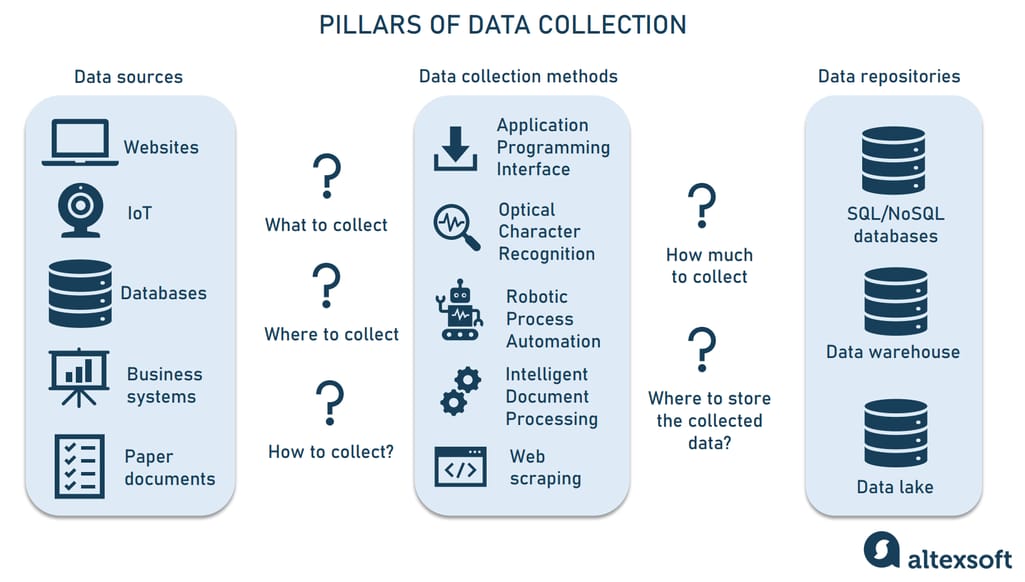
AI learns by seeing examples, just like you do. It needs huge amounts of data — text, images, videos, numbers, sensor readings, etc.
- Collect raw data from many sources
- Clean it: fix errors, remove duplicates
- Preprocess: normalize, resize images, etc.
- Often label it: "this is a cat", "spam email", etc.
Bad data = bad AI. Quality matters a lot!


AI learns by seeing examples, just like you do. It needs huge amounts of data — text, images, videos, numbers, sensor readings, etc.
- Collect raw data from many sources
- Clean it: fix errors, remove duplicates
- Preprocess: normalize, resize images, etc.
- Often label it: "this is a cat", "spam email", etc.
Bad data = bad AI. Quality matters a lot!
2. Choosing Algorithms & Model Architecture – The Brain's Rules
The algorithm is the learning method. Common types include:
- Supervised Learning: Uses labeled examples (e.g., cat vs. dog photos)
- Unsupervised Learning: Finds patterns without labels
- Reinforcement Learning: Learns through trial, error, and rewards
Today, most powerful AI uses deep neural networks — layered math structures great for images, text, and more.


The algorithm is the learning method. Common types include:
- Supervised Learning: Uses labeled examples (e.g., cat vs. dog photos)
- Unsupervised Learning: Finds patterns without labels
- Reinforcement Learning: Learns through trial, error, and rewards
Today, most powerful AI uses deep neural networks — layered math structures great for images, text, and more.
3. Training the Model – Where the Learning Happens
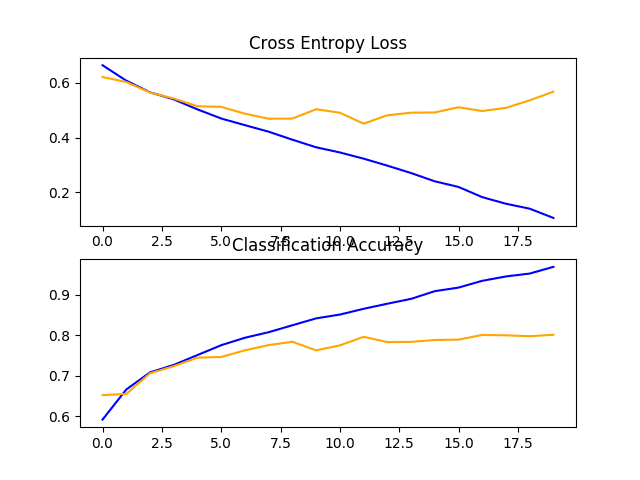
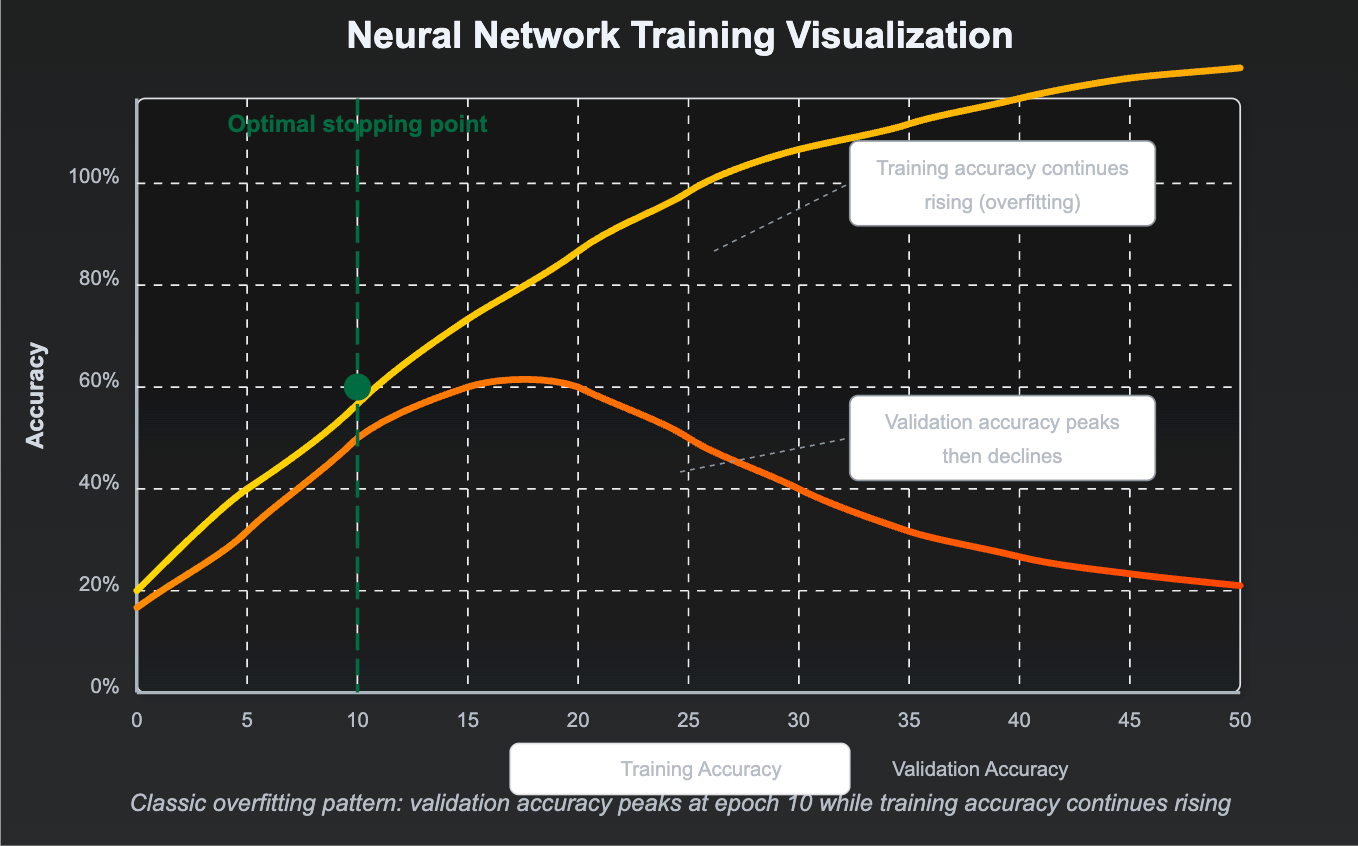
This is the big computation phase:
- Feed data to the model
- Make predictions → compare to truth → adjust weights (using gradient descent)
- Repeat millions of times until errors drop
It needs powerful GPUs/TPUs and can take hours to months. Example: Showing labeled cat images until it spots cats reliably.

This is the big computation phase:
- Feed data to the model
- Make predictions → compare to truth → adjust weights (using gradient descent)
- Repeat millions of times until errors drop
It needs powerful GPUs/TPUs and can take hours to months. Example: Showing labeled cat images until it spots cats reliably.
4. The Trained Model – The Captured "Knowledge"
After training, you get the model: a file of learned numbers (weights) that encode patterns from the data.
It's like compressed experience — not readable code, but very effective. A spam filter learns "viagra + free money = spam".

After training, you get the model: a file of learned numbers (weights) that encode patterns from the data.
It's like compressed experience — not readable code, but very effective. A spam filter learns "viagra + free money = spam".
5. Inference / Prediction – AI in Real Life
Deploy the model:
- New data arrives (photo, email, query)
- Model runs a quick forward pass → outputs answer fast (milliseconds!)
Examples: Google Search results, Netflix picks, ChatGPT replies — all inference.

Deploy the model:
- New data arrives (photo, email, query)
- Model runs a quick forward pass → outputs answer fast (milliseconds!)
Examples: Google Search results, Netflix picks, ChatGPT replies — all inference.
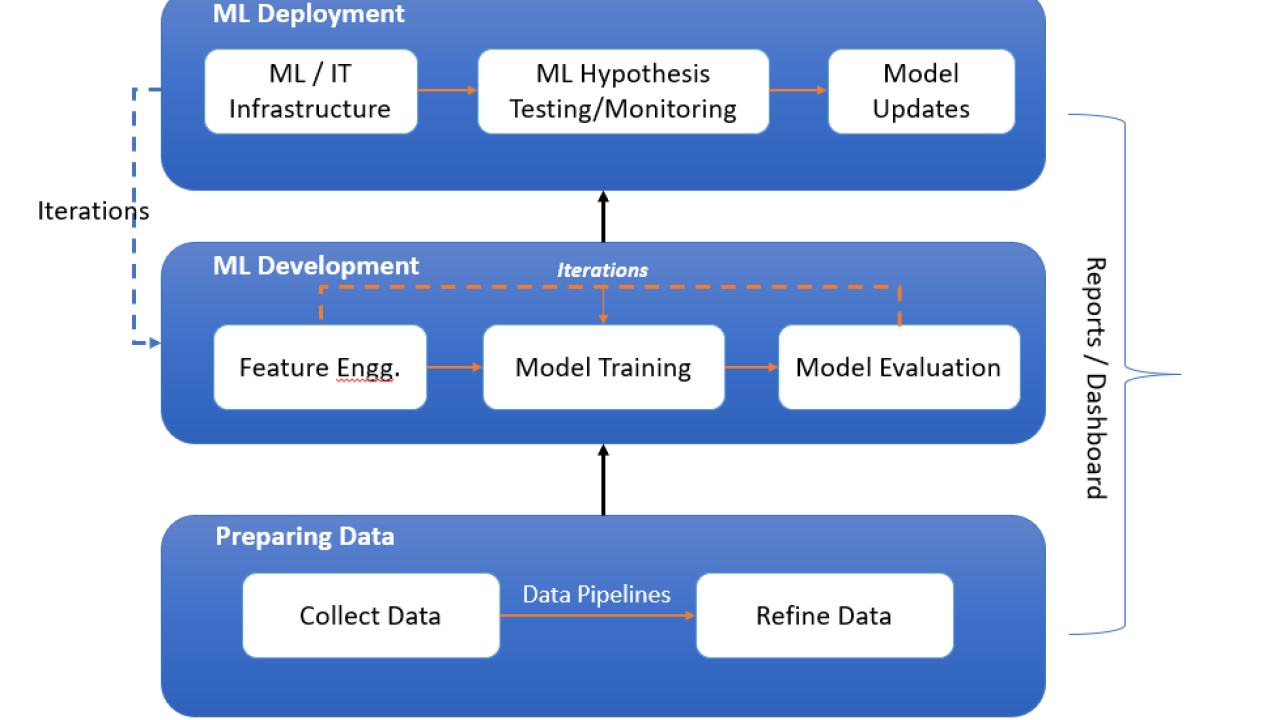
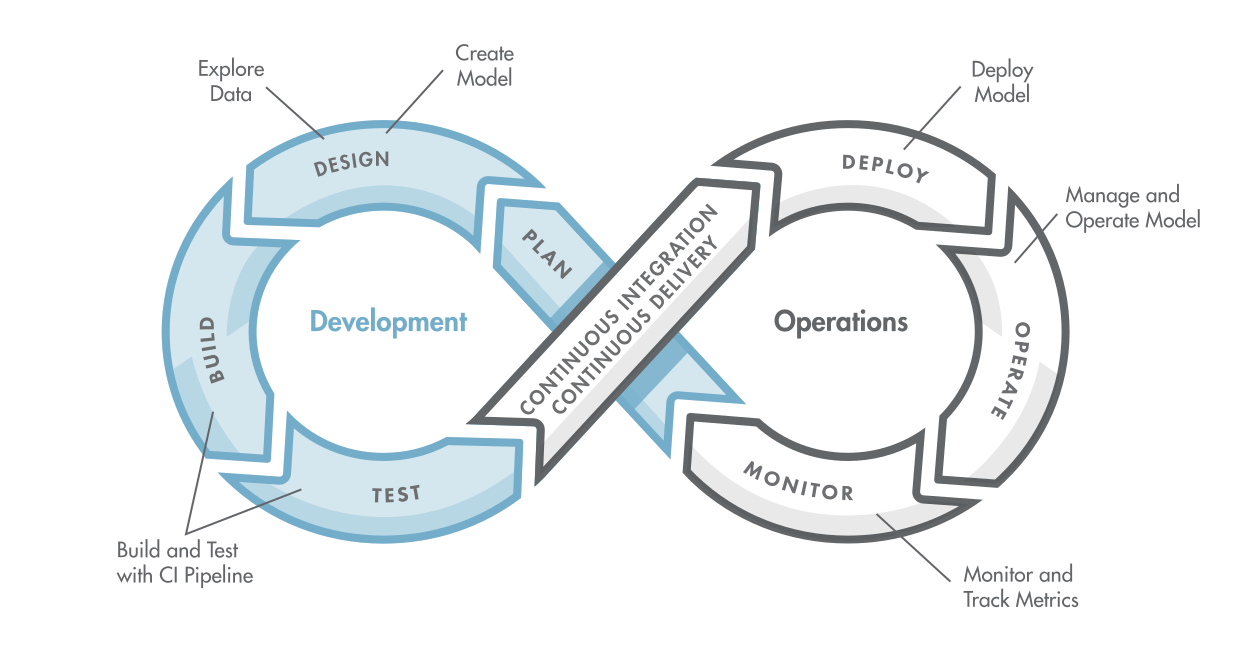
6. Evaluation, Monitoring & Refinement – Keeping AI Smart
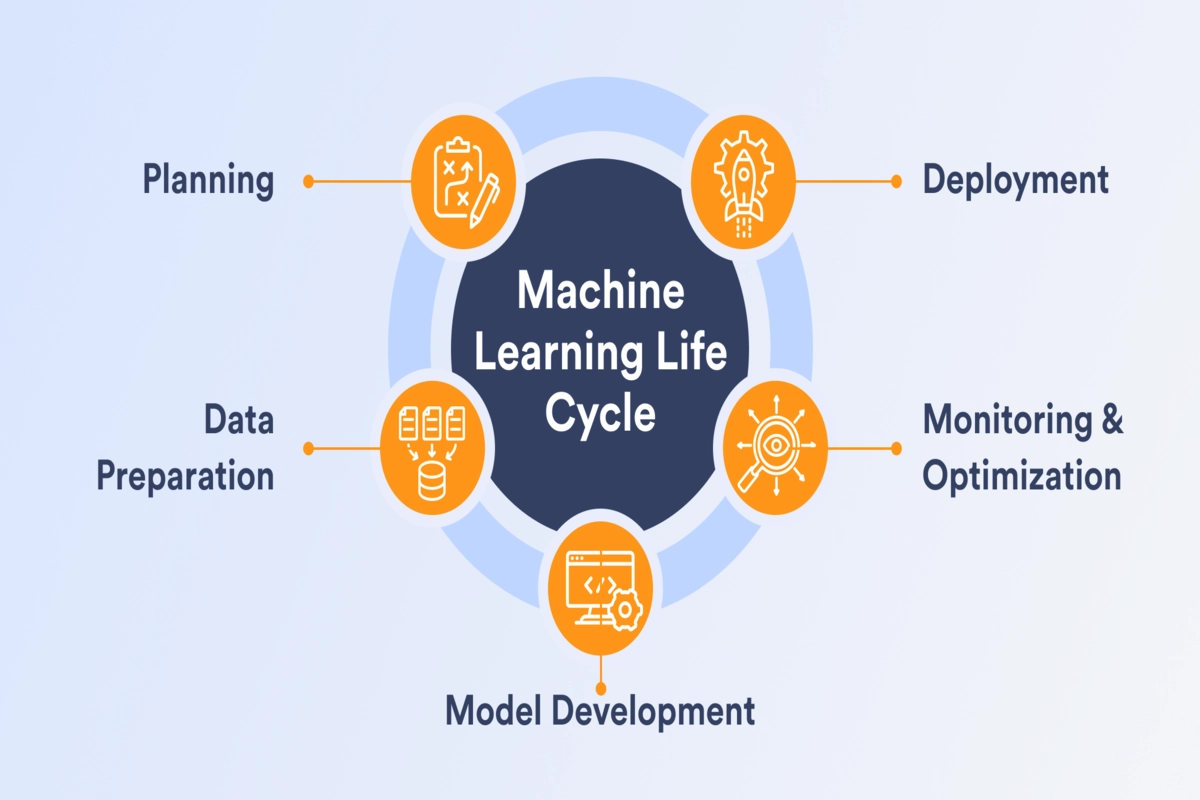
AI isn't "finished":
- Test on new data (accuracy, precision, etc.)
- Watch for model drift (world changes → performance drops)
- Retrain with fresh data regularly
This loop keeps improving over time.
AI isn't "finished":
- Test on new data (accuracy, precision, etc.)
- Watch for model drift (world changes → performance drops)
- Retrain with fresh data regularly
This loop keeps improving over time.
Quick Summary: The AI Lifecycle
- Collect & Prepare Data
- Choose Algorithm & Architecture
- Train the Model
- Save the Trained Model
- Deploy & Run Inference
- Evaluate, Monitor & Retrain
- Collect & Prepare Data
- Choose Algorithm & Architecture
- Train the Model
- Save the Trained Model
- Deploy & Run Inference
- Evaluate, Monitor & Retrain


